There is no universal answer — there is a plot, a budget, a timeline and a family’s habits. This is how we explain the difference to clients.
Brick
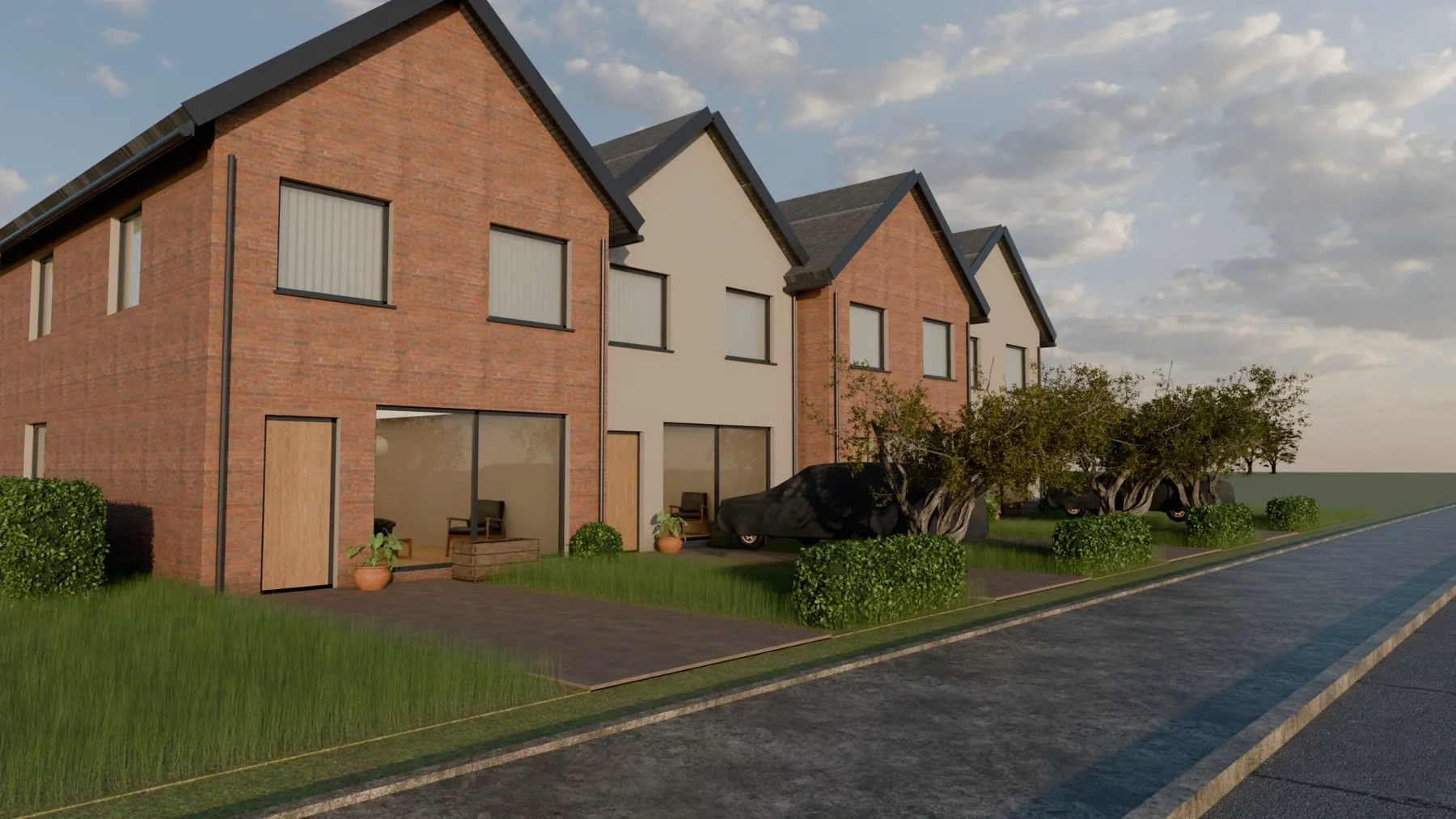
Massive, durable and good at storing heat, so the house keeps a steady temperature. But the walls are heavy — they need stronger foundations — and laying and insulating them takes longer.
Aerated concrete
Lighter than brick, dimensionally accurate and quick to lay with thin-bed adhesive. The material itself insulates reasonably well but dislikes moisture — the façade must be properly protected, and fixings for heavy items need to be chosen carefully.
Timber frame
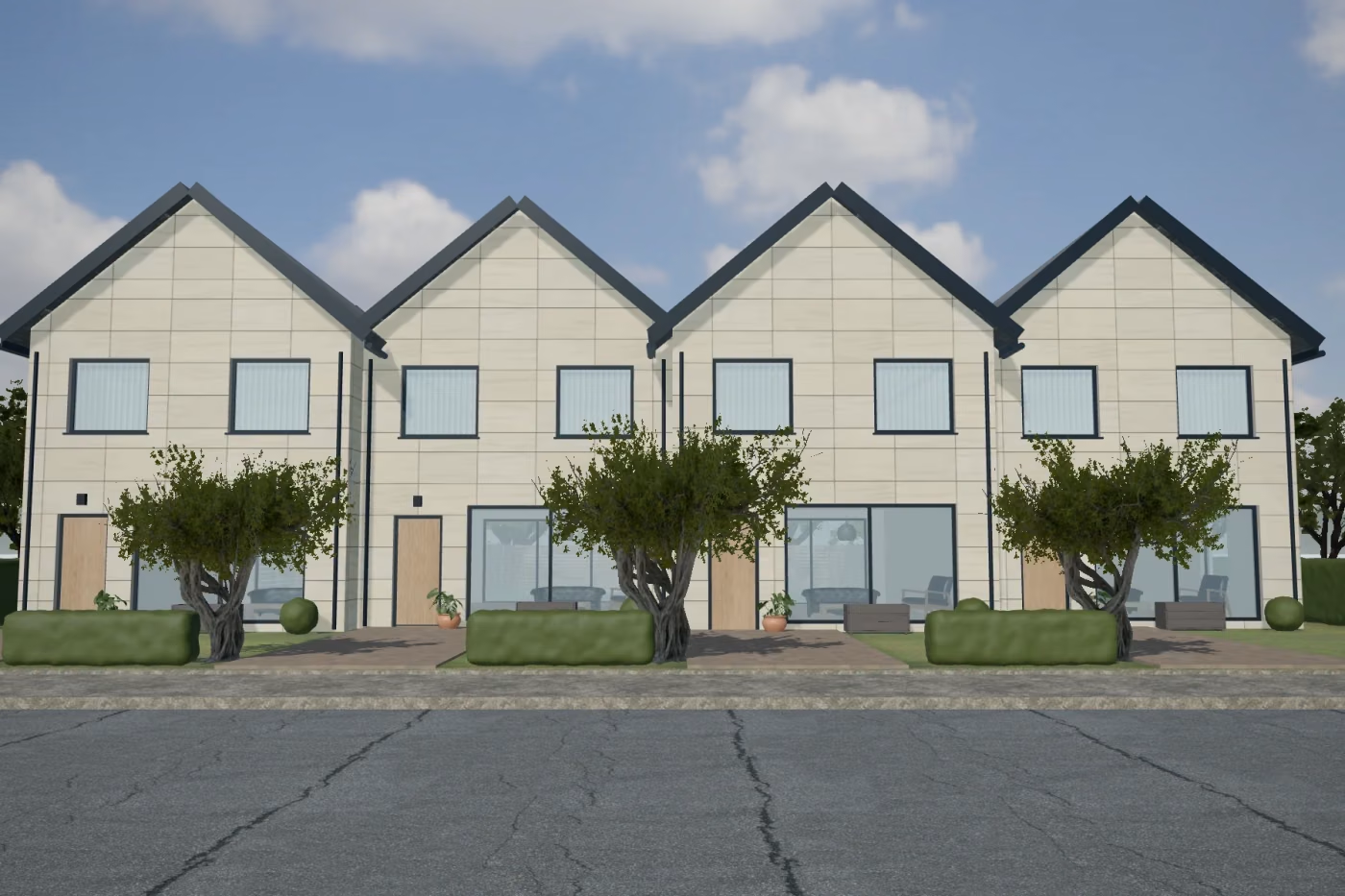
The fastest option: the shell can go up in a few weeks and the insulation sits inside the wall. But a frame is demanding about workmanship and vapour control, and it has less thermal mass — the house warms up and cools down faster.
How we suggest choosing
- Weak soil and a limited foundation budget — look at lighter technologies.
- Need to move in as soon as possible — timber frame or aerated concrete.
- A house “for generations” with minimal maintenance — brick.
Either way, the final decision follows the soil study and a thermal calculation — both are part of our working drawings.